“Do not be daunted by the enormity of the world’s grief. Do justly, now. Love mercy, now. Walk humbly, now. You are not obligated to complete the work, but neither are you free to abandon it.”
-widely attributed to Rabbi Tarfon who lived in the generation following the destruction of the second temple.
I am gratitude to my friend Willa who posted this to the masthead of her Facebook page.
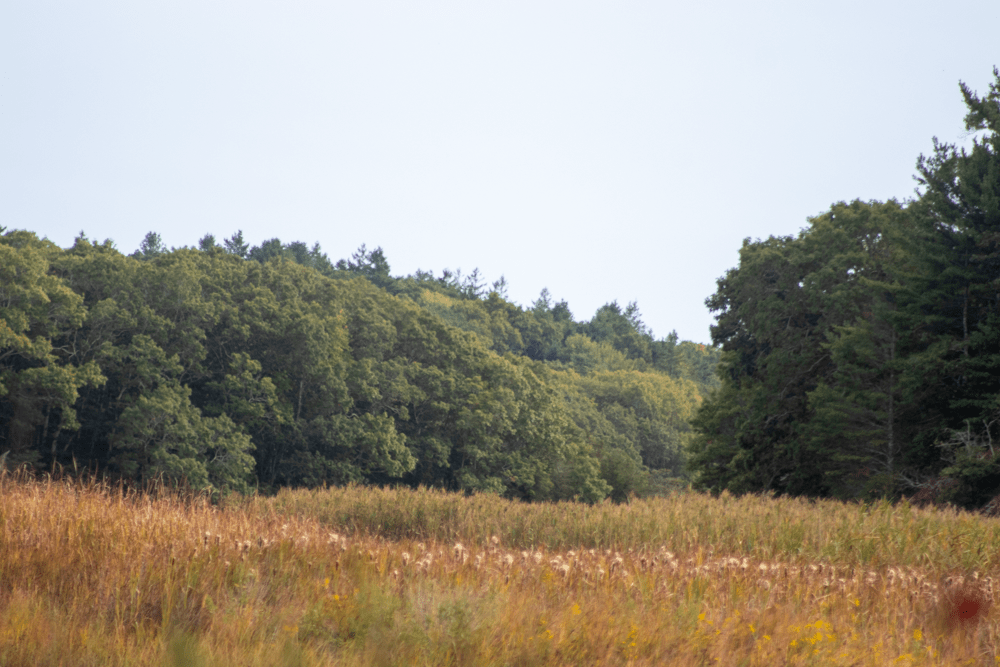
Today is dark and damp. We had less rain overnight than we expected and today offers only hit-or-miss showers. Overnight noticeably more colour appeared in the foliage. Throughout New England leaf change is two to three weeks ahead of schedule. The reports from up north are that colour is highly variable, some trees are just turning brown, and whatever colour is present passes quickly.
This morning I was missing our prior two rabbis who have both retired. This is a season when community is important and we are certainly feeling the isolating effects of having moved and COVID. As a response I began imagining what our old rabbis, both visionaries, might have said at services. Certainly they would have focused on community, responsibility, and joy. What follows is their combined homily as it played out in my imagination:
“During this period from Rosh Hashanah through Yom Kippur we are invited to take stock of the harms we have brought to self and others, to seek forgiveness and healing, and to do better going into the new year. It is a time for course corrections, and for recognizing the centrality of reconciliation and joy in a life well lived.
Within the traditions of the High Holy Days is a subtle invitation to harken back to the very day of the Exodus, to remember that we have all experienced the traumas of slavery, cruelty, and hatred, and to refuse to harm others. Yet, we inevitably cause harm. Each year we are urged to see the harm, and the good, in our actions, to repair relational ruptures, and to actively reject invitations to participate in the harming of others.
Yet refusing to do harm is not enough. We are called to name harm when we see it, to aid those in harm’s way, and to demand justice, reconciliation and healing. This commandment to pursue justice, righteousness, and reparation, this imperative to search for a “greater good,” stands at the heart of this holy time.
Rabbi Tarfon’s audience knew he was paraphrasing Isiah. There was no need for him to place the quote within Isiah’s greater project of warning Israel of the inevitable consequences of its colonial project, of its collective actions; he and his followers were living in the aftermath. Rather, he was encouraging them to live the best lives they could under dangerous and oppressive conditions.
For those of us living now, the quote serves as both a warning against individual, collective, and state sponsored violence, and as a roadmap for navigating life in a violent, increasingly authoritarian, state. As we go out from here, into our everyday lives, let us renew our dedication to the work into which we are all called. Let us do our best, and let us rest in the creativity, peace, and joy that is our collective birth right.”


Please share your thoughts and join the conversation!