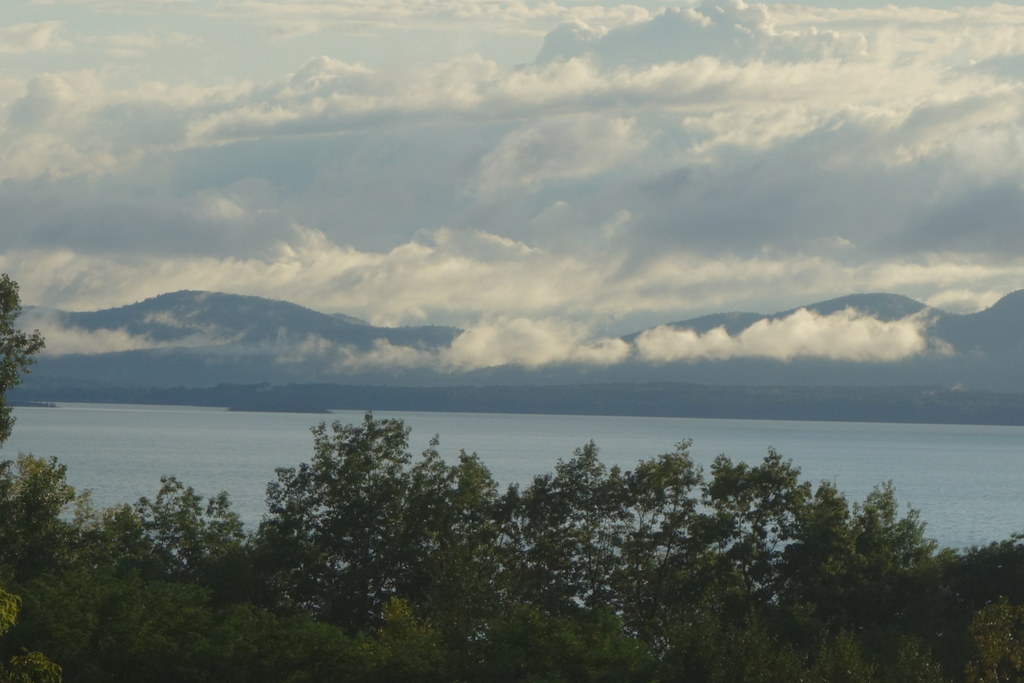
 Last night we had brief squalls of driving rain, although not enough to challenge the growing dryness. Today is a prototypically perfect autumn day in New England.
The last few days I’ve been deep in conversation with some folks who are determined to challenge the city’s development plans, plans that threaten to undermine the lives of many in our lovely south end, and perhaps displace the hundreds of artists who have studios there. Out of these conversations has arisen, for me, an intense awareness of the lack context that surrounds such battles.
The sad truth is that our local battles are between persons of relative wealth and those of great wealth. They are important at the local level, yet largely ignore the worldwide issues that will, sooner or later, overwhelm our local concerns. As climate change, resource depletion, and plain old greed become the norm, we will witness many more refugees on the move, both within our own countries and around the world. Even now, Indigenous people throughout the Americas are being forced to leave their homes and migrate. The tide of humanity at our borders will only rise in the months and years to come; walls will not keep out the desperate. It seems inevitable that our small, beautiful, city will be a destination for the more affluent of the displaced.
Last weekend there was a deeply troubling conversation at Sandglass Theatre’s Puppetry in the Green Mountain Festival. The conversation, entitled, Both Sides of the Border, featured puppeteer, Alejandro Benitez Cuellar, and activist, Shura Wallin, who spoke about the fate of the many thousands of people who are attempting to illegally cross the southern U.S. border. They spoke to our collective misconceptions about the refugees; rather than criminals, most are young, Indigenous, and uneducated. Others spent their entire lives in the U.S. before being deported, and wish only to be reunited with their families in the U.S.. All are in grave danger from many sourcs. ; Cuellar and Wallin believe that 90% of those trying to cross the border are gravely harmed or killed by their handlers, governmental representatives, or militias; untold others die alone in the desert. The conversation is available at HowlRound TV.
Part of the problem is, as I have said before, that in the dominant view in the U.S. is that we Indians died out a long time ago, or a best, are an inconvenient remnant. This morning I was at my local Barnes and Noble store, looking through the art magazines. There were a few Western or Native themed art magazines, all of which continued the myth of the disappeared, or disappearing, Indian. It was pretty disheartening. Then I spied a new magazine, at least new to me. The magazine, First American Art, actually seems to focus on living Native artists! I was excited enough to purchase a copy and it sits beside me as I write!
Of course, the magazine seems to largely decontextualize Native experience, even as it celebrates our cultures. After all, most of us Native Americans are at last to some degree displaced. Still, I am curious what may be hiding in the included artist interviews. It seems so very challenging for us, especially our urban young people, and those of us who are separated from our home tribes and cultures, to contextualize our lives when the dominant conversations about us, and about the hundreds of millions of displaced people around the world, distort our experiences, and criminalize or erase us.
Here is a dream: Let us hold a vision of a world where greed is no longer tolerated, where we all give up something so that all other people and beings can live, and where we hold the fragile future gently and securely in our worshipful hands. Let us make the needs of those who are threatened and displaced matter as important as our own, and place our lives in context: we are each, after all, connected to all beings here, and thus are responsible for one another.
I think this is a good dream. If you thiink so, will you help me to hold it?


Please share your thoughts and join the conversation!