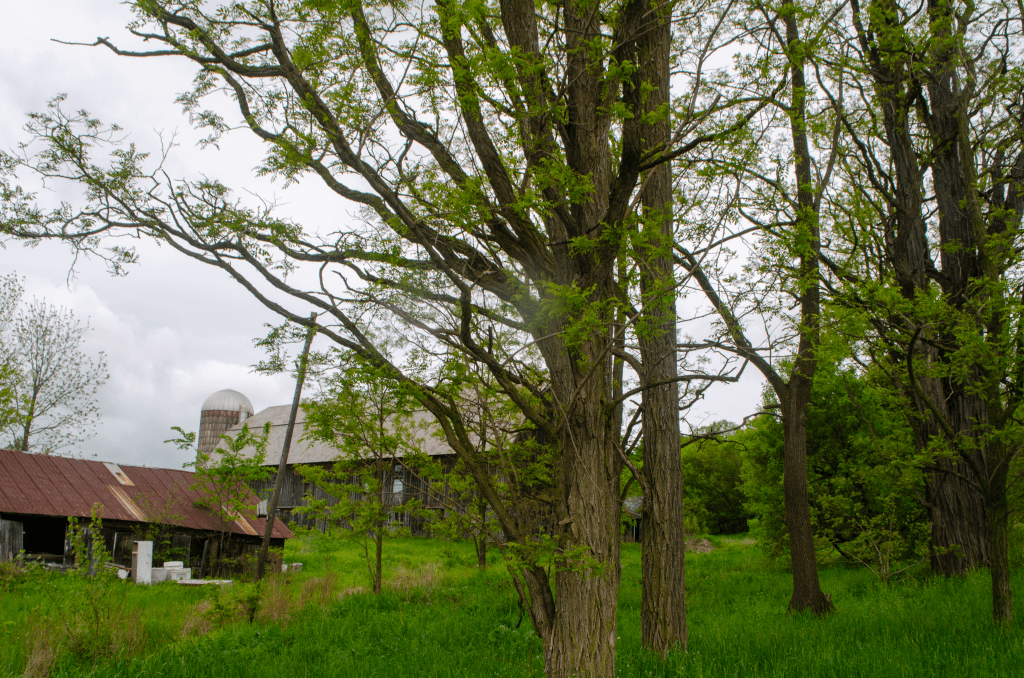
A warm early summer day. The sky is hazy from wild fire smoke originating in southern Canada, and while we are assured the air quality is fine, my asthma insists that it is not quite fine.
Driving by the marsh earlier this morning I noticed a number of herons of different species including greens and little greens. Out in the bay a great blue was preening on a channel marker. All about us breeding season is in full gear.
I want to return to May Sarton for a moment. Reading and rereading her work I am reminded that she was a clear sighted and insistent observer of the natural world and an avid gardener, an activity that for her took place at the intersection of culture as nature and nature as other, and included the arts and friendships. (I wonder whether she ever read Winnicott.) One can, I believe, argue fairly that all of her thought and writing arose from her continual exploration of that intersection.
One of the qualities that draws me to her work is her insistence on noticing wrongs in the world and asking the big questions those evils point to but that are often ignored. I’m certain that were she alive now she would be calling out the immortality of our government’s actions, especially those that put deportees in harms way. She would find the racism inherent in the process abhorrent and the government’s willingness to deport children receiving life saving medical treatment deplorable, and she would insist that we readers recognize the absurdity of our calling ourselves a Christian nation.
I can’t imagine how she would be dealing with our continued onslaught against nature and the resulting steep declines in species and the habitability of the environment. Surely she would rail against it as though a soft spoken contemporary prophet.
Even in her sixties she had decided that people are a cold hearted plague on the earth, doing incomprehensible things to one another and all of nature. She increasingly saw us as a cruel and unfeeling species, too often lacking any comprehension of the results of our actions or compassion for those harmed by them.
I’m not aware that she wondered why nature would have created us as this was not particularly a question of her time. She did wonder why some people have compassion and some don’t, while noting that we all do harm, and that we all sometimes fail to grasp the harm we are causing.
There are perhaps no answers to the big questions she raises: Why do we create moral and spiritual systems that demand kindness and compassion and then ignore them, or worse, use them to justify harming others? Why do some people feel compassion and others don’t? Why do we destroy the world around us through our greed and indifference? Why do we single out individuals and groups to scapegoat? And perhaps the largest questions: How do we forget that we, too, are animals, and why would nature create us?
I have always been drawn to writers who ask essential questions, draw connections between seemingly unrelated information and ideas, and engage with the great moral questions life brings us. Such writers often live artistic lives at the edges and I wonder whether Sarton’s insistence on doing so was the cause of much of her marginalization.


Leave a reply to Michael Watson PhD Cancel reply