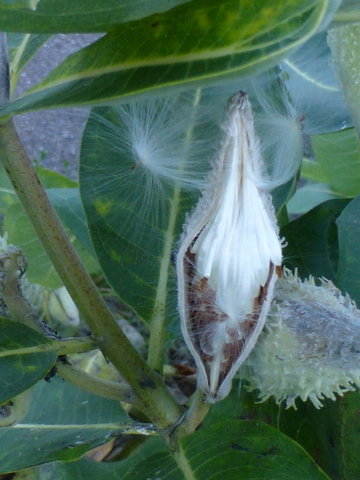
 Here in Vermont we are enjoying a long, warm autumn. Day after day we have been greeted by bright sunlight and warm breezes. The other night there was a rare display of the aurora, which, sadly, we missed. We know that at some point the warmth will give way to cold, bright skies to seemingly endless murk. That is the way of our climate. November brings chill and cloud, and features the least sunshine of any month in the calendar year. Fortunately, November is still a few weeks away.
Monday marks the Federal holiday honoring Christopher Columbus. It is a day that acknowledges the courage of early European explorers, yet ignores the immense harm enacted by those men. Monday many Native Americans will pause to celebrate the resilience, courage, and creativity of Indigenous people. We will note the genocide that accompanied colonization, and focus our attention on what Gerald Vizenor termed, “survivance”.
Halloween is also approaching, and with it a cascade of Native American costumes. This week Native Appropriations published an updated open letter detailing their qualms about the misuse of Native American culture at Halloween. The post explores the deep harm caused by cultural performances such as the Halloween Indian, and acknowledges the ire the original piece drew when published in 2011. It is indeed a worthy read.
I have a complex relationship to Indian imagery at Halloween, in part as the holiday was the only time I could follow my inner certainty that I was Native, if only at heart. For whatever reason my parents were OK with my dressing Indian, perhaps because I could pass as a Caucasian kid playing at being Indian. Of course, I dressed up in Plains tribal style, complete with feathered headdress.
North America was home to more than 500 tribes when Europeans arrived, yet popular culture references only a very few. Indigenous people in the Americas come in many shapes and sizes, and in an awe-inspiring diversity of cultures. Some 80% of us live in urban settings, and a great many of us hold complex ancestries. Yet one would not know this from the ways we are depiction in the dominant culture.
In some ways, mimicry and appropriation are an acknowledgement of Indigenous survival, and a honoring of Native cultures. They also undermine the very cultures they seek to reproduce, reducing a complex set of histories, cultural practices, and values to a few simple images. Through such stereotyping the rich and culturally specific symbolism inherent in Native clothing, ornamentation, and design are lost, replicating the colonial history of the Americas.
Most people who dress up as Indians don’t intend disrespect or harm, probably they wish just the opposite. Yet, harm may be done; it is good to consider our actions and acknowledge their unintended consequences. Such reflection is hard work, especially at this time in our society, yet offers the possibility of healing.


Please share your thoughts and join the conversation!