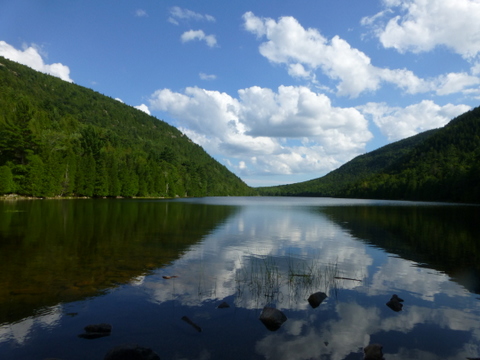
 The slant of sunlight is Autumnal, as is the crisp air. I’ve even donned a long flannel shirt. Fair weather clouds appear barely to move across the heavens. I’m drinking my fourth cup of green tea; life is good day.
I’ve been reading Singing the Coast by Margaret Somerville and Tony Perkins. The book is an exploration of a small area of Australian coast as seen then through eyes and history of the Aboriginal people who call “No Man’s Land” home. It is a rich collaboration between Somerville and an Aboriginal man, Tony Perkins. Many other Aboriginal voices appear throughout the volume, as they tell personal and collective stories of connection to place, heartbreak and resilience.
Reading through the book one begins to unpack the violence and genocide that shaped the human and natural community. One also begins to comprehend the role of narrative and spirituality forming Aboriginal history and life. The people cannot be separated from the land, although generations of colonists have sought to do so. Language has dwindled in usage among the people, yet remains a bridge between person and landscape. The land holds myth and sustenance; fish and other wildlife remain prime food sources, although their numbers are much diminished.
In Australian Aboriginal culture, as in many Indigenous cultures, there is men’s knowledge and women’s, two differing yet mutually necessary ways of understanding. While many of the traditional ceremonies that brought cohesion to communities have been forgotten, due in large part to colonial pressure, others remain, as do the stories that give them meaning in the lived experiences of the people. Among the memories and narratives that are the wealth of the people of No Man’s Land are stories of dreadful cruelty on the part of the colonists. Yet the people remain.
At No Man’s Land the beach and hills meet the sea. In caves whose entrances lie below water at high tide women have come to give birth for many generations. Into those same caves crawled the wounded, heartbroken, terrified survivors of massacre. The caves are literally the birthplace of the post-genocide community.
The coast is home to innumerable spirits and Ancestors. They do not leave when land is stolen from the people or the people killed. They do not leave just because the colonists claim the land and deny their presence. The land, people, and the spirits are inseparable. The people sing the coast; they sing songs of joy, community, and sorrow. They sing maps into being, acknowledging the spirits and Ancestors, calling forth the Dreaming as well as more recent history.
Reading Singing one is reminded that for many Indigenous peoples shamanism, everyday life, and the landscape (and all that dwells therein) are woven into place, along with genocide and increasing environmental degradation. The land holds all of this, along with the spirits and the Ancestors. As a result, shamanism remains deeply rooted in landscape, culture, and relationship to the Creator, spirits, and Ancestors. I believe one cannot enter into the world of shamanism without embracing the reality of genocide, for historical violence is part of the very land we walk, whether in Australia, the Americas, or anywhere Indigenous peoples have faced colonialism.


Please share your thoughts and join the conversation!